

Why Rooted Kitchen Routines Matter: Embracing Cultural Kitchen Habits

When I think about the heart of a home, the kitchen always comes to mind. It’s more than just a place to prepare meals. It’s where we connect, create, and nurture ourselves and those we love. Over time, I’ve realized that having rooted kitchen routines can transform not only how we eat but how we feel about food and family life. These routines bring a sense of calm, purpose, and joy to our daily habits. They help us build healthier, more intentional relationships with food.
In this post, I want to share why rooted kitchen routines matter so much. I’ll explore how cultural kitchen habits shape our food experiences, the rhythms that support these routines, and practical ways to bring more intention into your kitchen life. Whether you’re cooking for one or feeding a family, these ideas can help you create a kitchen environment that feels nourishing and sustainable.
The Power of Cultural Kitchen Habits
Cultural kitchen habits are the traditions and practices passed down through generations that shape how we prepare, share, and enjoy food. These habits are deeply rooted in history, geography, and family stories. They influence everything from the ingredients we choose to the way we set the table.
For example, in many cultures, meals are a time to gather and slow down. The act of cooking together or sharing food is a way to express love and care. These habits create a rhythm that supports connection and well-being. When we honor these cultural kitchen habits, we tap into a rich source of meaning and comfort.
In my own kitchen, I’ve found that embracing cultural habits like making homemade bread or setting aside time for family meals helps me feel grounded. It reminds me that food is not just fuel but a way to celebrate life and relationships.

How Rooted Kitchen Routines Create Stability
Routines in the kitchen provide a framework that makes daily life easier and more enjoyable. When we have a consistent rhythm for meal planning, grocery shopping, and cooking, we reduce stress and decision fatigue. This stability allows us to focus on the joy of preparing and sharing food.
For instance, setting a weekly meal plan can save time and money. It helps avoid last-minute takeout or unhealthy choices. Having a routine for prepping ingredients or cleaning as you go keeps the kitchen organized and inviting. These small habits add up to a smoother, more satisfying cooking experience.
I encourage you to start simple. Maybe it’s dedicating Sunday afternoons to chopping vegetables for the week or always having a pot of soup simmering on the stove. These routines become anchors that support your well-being and your family’s health.
What are the 4 types of rhythm?
Understanding the different types of rhythm can help us create kitchen routines that feel natural and sustainable. Here are four key rhythms to consider:
Biological Rhythm - This is our body’s natural clock, including hunger and energy levels. Paying attention to when you feel most hungry or tired can guide meal timing and preparation.
Social Rhythm - These are the shared routines with family or housemates, like eating dinner together or weekend baking traditions. Social rhythms strengthen bonds and create shared memories.
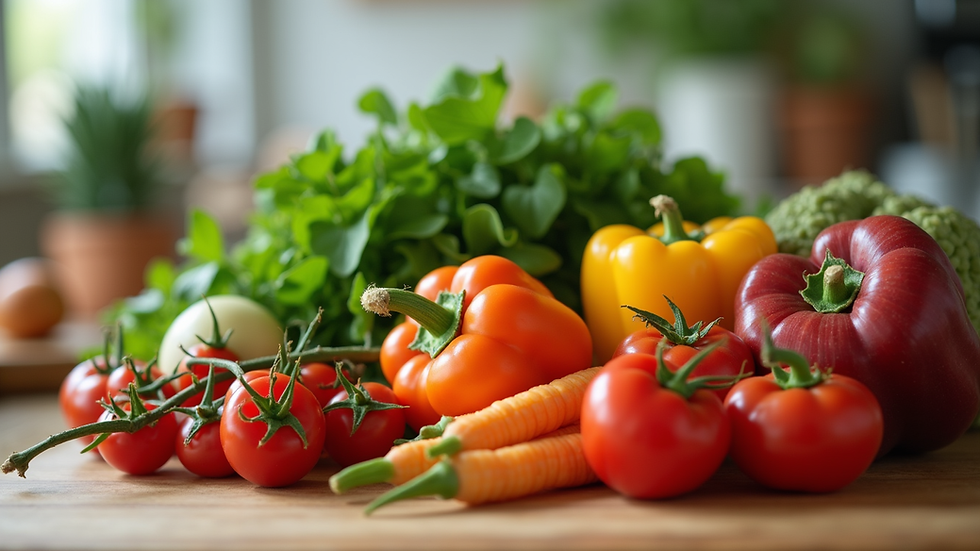
Environmental Rhythm - This rhythm follows the seasons and availability of fresh ingredients. Cooking with seasonal produce connects us to nature and supports healthier eating.
Cultural Rhythm - These are the traditional practices and celebrations around food, such as holiday meals or specific cooking methods. Cultural rhythms honor heritage and identity.
By recognizing these rhythms, we can design kitchen routines that align with our lives and values. This alignment makes routines easier to maintain and more meaningful.
Practical Tips to Build Your Rooted Kitchen Routine
Creating a rooted kitchen routine doesn’t have to be complicated. Here are some practical steps to get started:
Start with a simple meal plan: Choose a few favorite recipes that are easy to prepare and rotate them weekly. This reduces decision-making and builds confidence.
Prep in batches: Chop vegetables, cook grains, or make sauces ahead of time. This saves time during busy weekdays and encourages healthier choices.
Create a dedicated cooking space: Keep your kitchen organized with tools and ingredients within reach. A tidy space invites creativity and reduces frustration.
Involve the whole family: Cooking together or sharing meal prep tasks builds connection and teaches valuable skills.
Honor cultural traditions: Incorporate recipes or rituals from your heritage or explore new ones that resonate with you. This adds richness and meaning to your routine.
Be flexible: Life changes, and so should your routines. Adjust as needed without guilt or pressure.
These steps help build a kitchen routine that feels natural and supportive. Over time, these habits become part of your lifestyle, making healthy eating simpler and more enjoyable.
Embracing Root, Rhythm & Routine Winchester for Lasting Change
One resource that has inspired me in this journey is root, rhythm & routine winchester. Their approach focuses on empowering individuals and families to build healthier, intentional relationships with food and home life. They emphasize the importance of culturally-rich kitchen routines that simplify healthy eating and create sustainable habits.
By embracing the principles of root, rhythm & routine winchester, we can transform our kitchens into spaces of nourishment and joy. It’s about more than just food - it’s about creating a lifestyle that supports well-being and connection.
I invite you to explore these ideas and find what resonates with you. Your kitchen can be a place where culture, rhythm, and routine come together to support a healthier, happier life.
Making Your Kitchen a Place of Intention and Joy
When we root our kitchen routines in culture and rhythm, we create more than just meals. We create moments of intention and joy. These routines help us slow down, appreciate the process, and connect with those around us.
Try to approach your kitchen time as a chance to nurture yourself and your loved ones. Celebrate small victories, like mastering a new recipe or enjoying a peaceful meal together. Remember, the goal is progress, not perfection.
By building rooted kitchen routines, you’re investing in your health, your relationships, and your happiness. It’s a journey worth taking, one meal at a time.


Comments