

Why Every Culture Has Comfort Food

Comfort food is a universal part of human experience. No matter where you come from, you’ll find dishes that bring warmth, happiness, and a sense of home. These foods often carry deep cultural meaning and connect us to our roots. They remind us of family gatherings, celebrations, or quiet moments of peace. I’ve always found it fascinating how comfort food reflects the history, climate, and values of a culture.
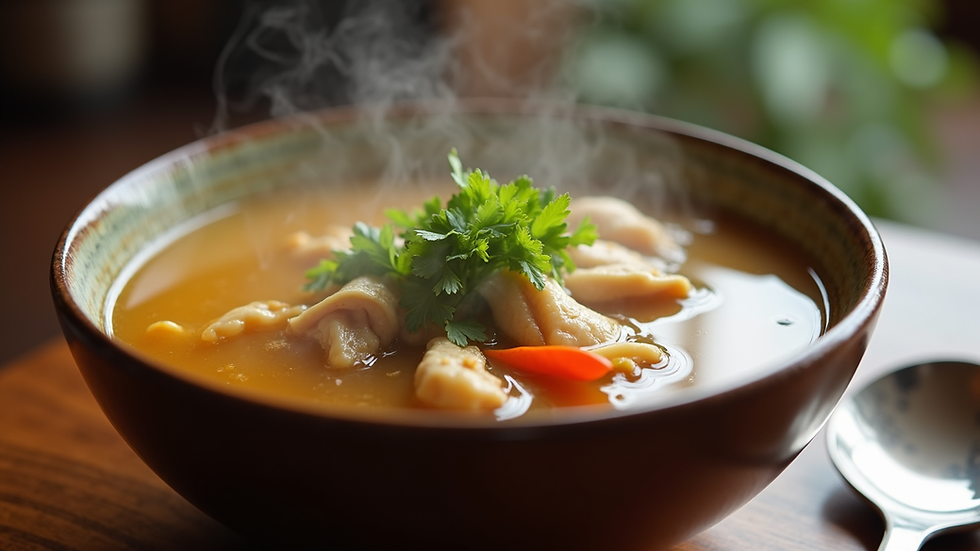
Comfort food often uses simple, familiar ingredients. These dishes are usually easy to prepare and share. For example, in many cultures, soups and stews are common comfort foods because they are nourishing and can feed many people. They also tend to be linked to memories of care and healing. When I think about comfort food, I think about the feeling of being cared for, whether by a family member or by the food itself.
One service that fits perfectly into this idea is the Root, Rhythm & Routine Meal Prep Assistance. This service offers thoughtfully designed meal preparation that focuses on wholesome, culturally rich recipes. It helps individuals and families build routines around food that feel both comforting and intentional. Using such assistance can make it easier to bring traditional comfort foods into your home, even if you’re short on time or new to cooking.
The Role of Comfort Food in Culture and Family
Comfort food is more than just taste. It carries stories and traditions. Each culture has its own set of dishes that people turn to when they want to feel grounded. These foods often use ingredients that are local and seasonal, which ties them to the land and history of a place. For example, in the American South, dishes like macaroni and cheese or fried chicken are comfort foods that reflect the region’s agricultural past and family traditions.

Comfort food also plays a role in family bonding. Sharing these meals can strengthen relationships and create lasting memories. When I cook a familiar dish from my childhood, it feels like I’m connecting with my family’s past. This connection is important for building a sense of identity and belonging. It’s why many people seek out comfort food during times of stress or change.
A helpful resource we provide is a Kitchen Planner. This tool helps families organize their cooking schedules around meaningful meals. It encourages planning that respects cultural traditions while making healthy eating easier. Using a planner like this can help keep comfort food a regular part of your life without feeling overwhelming.
How Comfort Food Supports Well-Being
Comfort food can also support emotional well-being. Eating familiar dishes can reduce stress and bring joy. The sensory experience of taste, smell, and texture triggers positive memories and feelings. This is why comfort food is often linked to self-care. It’s a way to nurture yourself when life feels difficult.

At the same time, comfort food doesn’t have to be unhealthy. Many cultures have comfort dishes that are both nourishing and delicious. For example, a warm bowl of oatmeal with fresh fruit is comforting and good for you. The key is to find balance and make choices that support your health goals.
Root, Rhythm & Routine services include recipes that blend comfort with nutrition. We focus on helping people create meals that feel good emotionally and physically. This approach fits well with the idea of building a healthier, more intentional relationship with food.
Comfort food connects us to our culture, family, and ourselves. It reminds us that food is not just fuel but a source of comfort and joy. By embracing these dishes thoughtfully, we can create routines that support both our heritage and our health.
If you want to explore more about how to bring comfort food into your life in a balanced way, connect with us at support@rootrhythmandroutine.com. We offer practical tools and recipes to help you build a kitchen routine that feels meaningful and sustainable.
This post is for informational purposes only and does not replace professional advice.


Comments