

Creating Rooted Kitchen Routines for Daily Balance: Embracing Daily Kitchen Routines

Finding balance in our daily lives often starts in the heart of the home - the kitchen. When we create rooted kitchen routines, we build a foundation that supports healthier eating habits, reduces stress, and brings a sense of calm to our busy days. I’ve found that establishing simple, intentional routines in the kitchen can transform how we approach meals and nourish ourselves and our families. Let’s explore how to create these routines and why they matter.
Why Daily Kitchen Routines Matter
Daily kitchen routines are more than just habits; they are the rhythms that shape our relationship with food and time. When we have a clear, consistent flow in the kitchen, it becomes easier to prepare meals that are nourishing and satisfying. This consistency helps reduce decision fatigue and creates space for creativity and enjoyment.
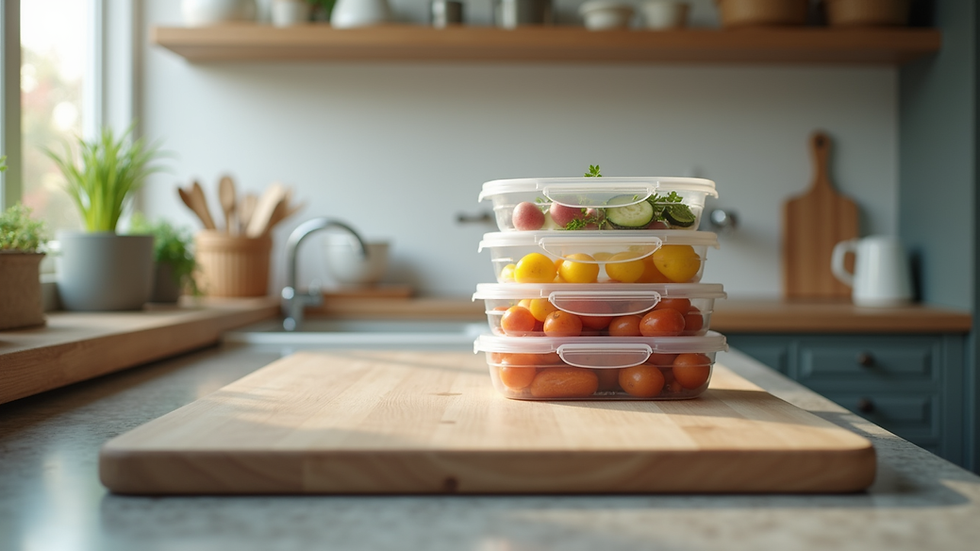
For example, setting a routine for meal prep on Sunday afternoons can free up time during the week. You might chop vegetables, cook grains, or portion snacks ahead of time. This small investment pays off by making weekday meals quicker and less stressful. It also encourages healthier choices because you have ready-to-use ingredients at hand.
Another benefit is the emotional comfort that comes from routine. Knowing what to expect in your kitchen each day can reduce anxiety and create a peaceful environment. This is especially important for families, where a predictable rhythm can help everyone feel grounded and connected.
How to Build Your Daily Kitchen Routines
Building daily kitchen routines starts with understanding your needs and lifestyle. Here are some practical steps to help you get started:
Assess Your Current Habits
Take a week to observe how you use your kitchen. When do you cook? What tasks feel rushed or stressful? Identifying these moments helps you know where to focus your efforts.
Set Simple, Achievable Goals
Instead of overhauling everything at once, pick one or two routines to establish. For example, commit to washing and prepping vegetables right after grocery shopping or setting a specific time for meal planning.
Create a Kitchen Workflow
Organize your kitchen so that everything you need is easy to find and use. Group similar items together, keep frequently used tools within reach, and clear clutter. A smooth workflow saves time and energy.
Involve Everyone
If you share your kitchen with family or roommates, involve them in creating routines. Assign simple tasks like setting the table or washing dishes. This shared responsibility builds connection and lightens the load.
Be Flexible and Kind to Yourself
Life is unpredictable. Some days your routine will flow perfectly, and others it won’t. That’s okay. The goal is progress, not perfection.
By following these steps, you’ll create a kitchen environment that supports your daily needs and encourages healthier eating habits.
What are the 4 Types of Rhythm?
Understanding rhythm can deepen how we approach kitchen routines. There are four types of rhythm that influence our daily lives:
Biological Rhythm
This is the natural cycle of our bodies, like hunger and sleep patterns. Aligning meal times with your body’s signals can improve digestion and energy.
Social Rhythm
These are routines shaped by social interactions, such as family dinners or weekend brunches. They foster connection and shared experiences.
Environmental Rhythm
This rhythm comes from the natural world, like daylight and seasons. Using seasonal ingredients and adjusting meal prep to daylight hours can enhance your kitchen routine.
Cultural Rhythm
Traditions and cultural practices influence how and what we eat. Incorporating cultural recipes and rituals can make your kitchen feel more meaningful and rooted.
By recognizing these rhythms, you can design kitchen routines that feel natural and sustainable.

Practical Tips for Rooted Kitchen Routines
Here are some actionable recommendations to help you create routines that stick:
Plan Weekly Menus
Spend a few minutes each week planning meals. This reduces last-minute stress and helps you shop efficiently.
Batch Cook and Freeze
Prepare large portions of soups, stews, or casseroles and freeze them in portions. This provides quick, healthy meals on busy days.
Keep a Well-Stocked Pantry
Having staples like grains, beans, and spices on hand means you can whip up meals without extra trips to the store.
Set a Cleaning Routine
Clean as you go to keep your kitchen inviting. A quick wipe-down after cooking prevents buildup and makes the space more enjoyable.
Create a Morning or Evening Ritual
Whether it’s brewing coffee or setting the table for breakfast, small rituals anchor your day and bring calm.
Use Visual Reminders
Post your meal plan or grocery list on the fridge. Visual cues help keep everyone on the same page.
These tips are simple but powerful ways to build a kitchen routine that supports your well-being.
Embracing Root, Rhythm & Routine Winchester in Your Kitchen
I’ve found inspiration in the philosophy of root, rhythm & routine winchester, which emphasizes the importance of grounding ourselves in intentional kitchen practices. This approach encourages us to slow down, honor our cultural food traditions, and create sustainable habits that nourish both body and soul.
By embracing this mindset, we can transform our kitchens into spaces of balance and joy. It’s about more than just cooking; it’s about creating a lifestyle that supports health, connection, and peace.
Creating rooted kitchen routines is a journey, not a destination. Each small step you take builds a stronger foundation for daily balance. Remember, the goal is to create rhythms that feel natural and supportive, helping you and your loved ones enjoy food and life more fully. Start today with one simple change, and watch how your kitchen—and your days—begin to flow with ease.


Comments